Enhance Your Outdoors: Experienced Landscaping Services Customized for Your Home
Changing outdoor spaces can significantly boost a home's look and practicality. Professional landscaping services provide customized strategies that take into account local conditions and personal tastes. With experienced professionals in charge, homeowners can expect a smooth combination of plants, hardscapes, and lighting. However, understanding how to work together efficiently and establish a vision remains critical. Considering these aspects can result in a transformative outdoor setting that satisfies both needs and aspirations.
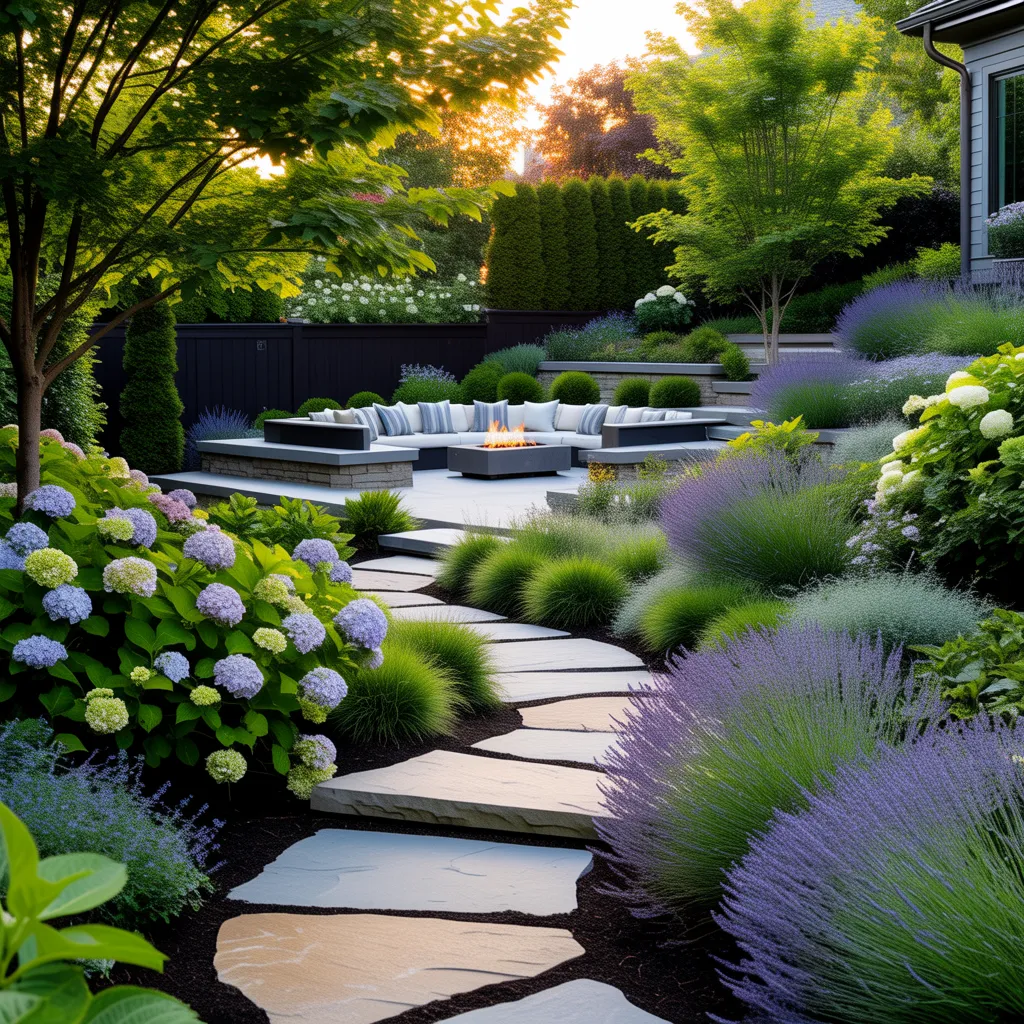
Why Prefer Expert Landscape Design Options?
When assessing a overhaul of exterior environments, many homeowners appreciate the worth of skilled landscaping expertise. These professionals bring a depth of experience and originality, making certain that the plan corresponds to the homeowner's preferences while enhancing utility and visual charm. Professionals grasp the intricacies of local climate, soil types, and plant choices, allowing them to create environmentally conscious gardens that thrive.
Furthermore, landscape designers can effectively integrate diverse components, such as hardscapes, lighting, and irrigation systems, into a cohesive related content plan. This holistic approach not only enhances visual appeal but also elevates property worth. Likewise, employing experts can save time and reduce the potential for costly mistakes. Their proficiency in handling zoning regulations and obtaining permits adds another layer of convenience for homeowners. Ultimately, selecting professional landscape design options can transform outdoor areas into lovely, practical zones that display unique preferences and upgrade living quality.
How to Clarify Your Open-air Direction?
In what ways can property owners clarify their landscape direction? First off, they should contemplate their personal habits and how they want to use the outdoor space. Recognizing unique requirements—whether hosting events, growing plants, or relaxation—can guide the design process. After that, property owners should research different design options, such as modern, rustic, or tropical, to figure out what suits their aesthetic preferences.
Crafting a mood board or gathering images from magazines and web-based sources can deliver aesthetic guidance and help with communicating ideas. Additionally, evaluating the present environmental features, such as plant life and slopes, allows for a more cohesive design.
Developing a budget is critical, as it influences material decisions and project scale. Finally, residents should consider upkeep requirements, confirming the concept is sustainable for their way of living. By following these steps, insight crystallizes, establishing the path for a precisely defined landscaping vision that resonates with their aspirations.
Working Productively Alongside Your Design Expert
Successful collaboration with a landscape designer begins with a straightforward explanation of one's objectives. It is essential to discuss budget constraints openly to guarantee achievable planning. Depending on the designer's expertise can contribute to inventive ideas that align with the client's desires while enhancing the overall garden.
Establish Your Direction with Precision
What characterizes a productive partnership with a landscape designer? Clarity in direction is crucial. Homeowners must voice their tastes, living needs, and desired aesthetic to make certain the designer grasps their needs. Supplying visual materials, such as photos or sketches, can substantially improve understanding. Moreover, discussing particular elements like color schemes, materials, and plant types helps in polishing the concept. Strong interaction is essential; homeowners should feel comfortable expressing their input and reservations throughout the undertaking. This open dialogue strengthens a robust partnership, allowing the designer to create customized approaches. Ultimately, a clearly articulated direction acts as a foundational guide, boosting the possibility of accomplishing a balanced outdoor space that resonates with the homeowner's aspirations.
Express Your Budget Requirements
A distinct vision sets the foundation for effective landscape design, but grasping budget constraints is equally crucial. When working with a landscape designer, sharing budget restrictions encourages transparency and trust. Clients are advised to provide a practical budget upfront, allowing designers to propose solutions aligned with their monetary objectives. This open dialogue enables the designer to prioritize elements, guaranteeing that key components are included without overspending. Additionally, discussing budget constraints can result in creative alternatives, like choosing more affordable materials or rescheduling project timelines. Ultimately, a detailed budget empowers both parties to work together effectively, producing a landscape that not only meets aesthetic desires but also stays financially viable.
Have Faith in Their Expertise Entirely
Placing faith in a environmental designer's mastery is essential for accomplishing a prosperous outdoor initiative. Their extensive background of plants, materials, and design principles enables them to construct coordinated and practical environments. Clients must approach the engagement with a receptive perspective, treasuring the designer's guidance while also communicating their wishes. Direct interaction is critical; exchanging concepts and feedback strengthens a successful working relationship. Designers regularly maintain access to solutions and options that property owners could overlook, strengthening the ultimate vision. By respecting the designer's expert insights, clients can assure that their distinctive requirements are met while gaining innovative design strategies. To sum up, this trust produces an outdoor place that embodies both individual character and expert guidance.
Choosing the Best Outdoor Design Style for Your Home
How can homeowners determine the perfect landscape design strategy that complements their property? First, they need to review the architectural style of their home. A modern house often blends with minimalist landscaping, while a traditional home may take advantage of classic garden elements. Next, homeowners should consider their personal preferences and lifestyle. For instance, those who enjoy entertaining might select open spaces with seating areas, while nature enthusiasts may lean towards native plants and wildlife-friendly designs.
Furthermore, local climate and soil conditions are essential factors in determining suitable plants and materials. Homeowners can also explore various design styles, such as Mediterranean, Japanese Zen, or cottage gardens, to find inspiration. Finally, working alongside a landscaping expert can provide valuable insights customized for the specific property, ensuring that the chosen style harmonizes with both the surroundings and the property owner's goals.
What's the Best Way to Allocate funds for Your Landscape Overhaul?
Planning ahead for a grounds renovation begins through pinpointing needs, as this supports homeowners in focusing on what items are important. Secondly, calculating construction expenses is vital for generating a sound financial plan. By addressing these key aspects, individuals can guarantee a successful and satisfying transformation of their outdoor space.
Identify Your Main Objectives
When commencing on a landscape renovation, grasping one's goals is essential for efficient budgeting. Homeowners should first pinpoint their core goals, whether it's designing an outdoor recreational area, boosting curb appeal, or enhancing privacy. This recognition helps in allocating resources efficiently. Evaluating the current landscape and pinpointing which elements need immediate attention can also streamline the process. Additionally, it is essential to consider long-term upkeep and environmental responsibility; committing funds to quality materials may reduce future costs. Setting a realistic budget that captures these priorities ensures that the project corresponds with both aesthetic desires and financial constraints. By prioritizing needs, homeowners can achieve a cohesive and satisfying landscape transformation without exceeding budget.
Figure Material Costs
Estimating material costs is an essential step in organizing a effective landscape makeover. Homeowners should begin by listing all wanted elements, such as plants, hardscapes, and lighting. Investigating local suppliers can provide insights into costs and availability. It's important to account for additional costs, including soil, mulch, and tools, which can greatly impact the overall budget. Furthermore, incorporating a contingency fund of 10-20% allows for unexpected expenses that may arise during the project. By carefully calculating these expenses, homeowners can guarantee they remain within their budget constraints while achieving their desired outdoor space. Speaking to landscape professionals can also offer valuable guidance in making informed material choices that align with budget constraints.
Vital Upkeep Guidelines for Your New Landscape Design
Proper care is essential for any new landscape design to thrive and retain its beauty. Regular water application is critical, especially during the initial growth phase; establishing root systems requires regular moisture. Applying mulch around plants helps lock in soil moisture, suppress weeds, and stabilize temperature.
Pruning must be performed each season to support healthy growth and take out any dead or diseased branches. Fertilization, tailored to the specific needs of plants, enhances access to nutrients and promotes colorful flowering.
Weed control is required; regular checking and elimination prevent resource competition. Additionally, watching for pests ensures rapid action, safeguarding plant health.
Seasonal cleanings, such as removing leaves and clearing debris, preserve visual appeal and avoid mold development. Finally, soil health should be evaluated regularly, with amendments made as necessary to ensure optimal growing conditions. By adhering to these upkeep guidelines, homeowners can preserve the integrity and charm of their landscape design.

Often Asked FAQs
What Resources Serve Ideal for Environmental Landscaping?
Reclaimed materials, native plants, permeable pavers, and organic mulches are excellent for eco-friendly landscaping. These choices promote biodiversity, reduce water usage, and minimize discarded items, establishing eco-friendly spaces that prosper with minimal maintenance.
How much time Does a Typical Landscape Project Take?
A standard landscape project may take anywhere from a few days to several weeks, reliant on the project's level of complexity, size, and the exact elements being installed, such as plants, hardscapes, or irrigation systems.
Can Landscape Design Increase My Property Value?
Yes, professional landscaping can considerably enhance property value. Carefully designed exterior spaces enhance curb appeal, improve performance, and interest prospective owners, ultimately leading to higher market prices and a better investment payoff for homeowners.
What Species Are the Most Preferred for Local Climates?
The most preferred greenery for local environments commonly showcase native species, low-water selections, and perennials. These picks boost biodiversity, need less care, and thrive in their respective surroundings, rendering them perfect for sustainable outdoor design.
How Do I Prepare My Yard Before the Yard Work Starts?
To ready the yard before landscape design, one should remove clutter, evaluate soil conditions, eliminate unwanted vegetation, and indicate planned elements. Guaranteeing adequate drainage and determining dimensions for plants and hardscapes will enable a more seamless installation.